
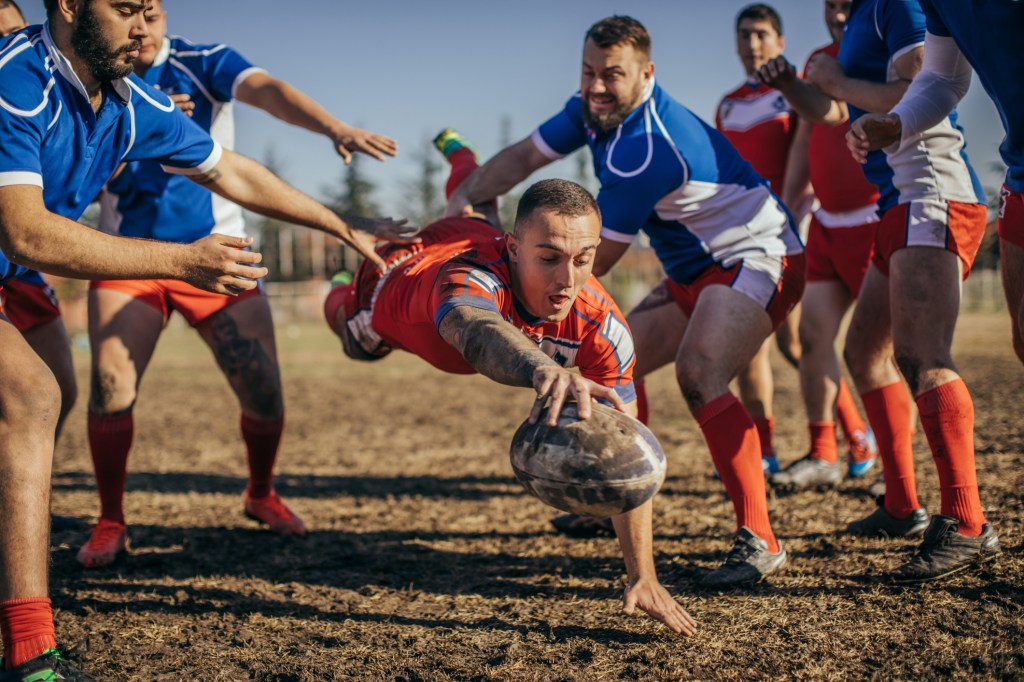
Sports injuries are rising rapidly across the UK, particularly ACL tears, meniscus injuries, shoulder damage and ankle ligament ruptures affecting active adults and younger patients. But long NHS waits for MRI scans, orthopaedic consultations and surgery are leaving many people in pain and unable to work, exercise or return to sport. Increasingly, UK patients are turning to MMG for faster consultant-led orthopaedic treatment abroad, including ACL reconstruction and sports injury surgery at accredited European hospitals.
Sports injuries are now one of the fastest-growing causes of orthopaedic problems across the UK, affecting hundreds of thousands of people every year and placing increasing pressure on already overstretched NHS musculoskeletal services.
From footballers and runners to gym-goers, skiers, cyclists and amateur athletes, increasing numbers of people are suffering knee ligament tears, cartilage damage, shoulder injuries and ankle instability that require specialist orthopaedic assessment and often surgery. Yet for many patients, the biggest challenge is no longer simply the injury itself, it is the wait for diagnosis and treatment.
Across the UK, NHS orthopaedic waiting lists remain among the largest of any medical specialty. Trauma and orthopaedics now account for more than 850,000 patients waiting for diagnosis and treatment in England alone. Many patients wait far longer than the NHS 18-week referral-to-treatment target, with orthopaedic waiting times in some parts of the country now stretching towards a year or more.
For active patients suffering sports injuries, these delays can have serious consequences.
ACL injuries are among the most common and debilitating sports injuries seen in younger and middle-aged adults. UK research suggests approximately 20,200 ACL ruptures occur annually across the UK. ACL injuries are especially common in football, rugby, skiing, basketball, netball and other sports involving twisting, pivoting and rapid directional change.
The injury frequently affects people between the ages of 18 and 45, often at the peak of their working and active lives. The UK National Ligament Registry shows that sports injuries – particularly football injuries – are the single most common cause of ACL rupture.
For many patients, the impact is immediate and life-changing. An ACL rupture can cause severe instability, loss of confidence walking or exercising, inability to drive properly, interrupted employment and long-term restriction of normal activity. Patients often describe hearing a sudden “pop” in the knee followed by swelling, collapse and inability to continue sport.
Without timely treatment, the consequences can worsen. Delayed ACL reconstruction can increase the risk of additional meniscal tears, cartilage damage and early osteoarthritis. Many patients also suffer secondary physical and psychological effects including muscle loss, reduced fitness, depression and social isolation caused by prolonged inactivity.
The problem extends beyond ACL injuries alone. Meniscus tears, rotator cuff injuries, shoulder instability, Achilles tendon ruptures and ankle ligament injuries are all rising as more adults remain physically active into later life. Musculoskeletal conditions are now among the leading causes of pain, disability and work absence in England.
Yet while injury rates continue rising, NHS capacity has struggled to keep pace. For many patients, delays occur at every stage of the pathway. Initial GP appointments can take weeks, MRI scans often involve further delays, orthopaedic consultations may then take months – followed by lengthy waits for surgery itself. Even patients with confirmed ligament ruptures can find themselves waiting many months before reconstruction surgery is finally scheduled.
Research cited through NHS-linked ACL studies suggests average waits from injury to ACL surgery exceeded 300 days during recent years. For younger and active patients desperate to return to work, family responsibilities or sport, this can feel devastating.
At the same time, UK private healthcare costs have risen sharply. Private ACL reconstruction surgery in the UK can often cost between £8,000 and £15,000 depending on hospital and complexity, while more advanced knee, shoulder or spinal procedures can cost substantially more.
This combination of NHS delays and expensive UK private treatment is driving increasing numbers of patients to search online for alternatives. This is exactly where MMG is becoming increasingly relevant to UK patients.
Through the MMG platform, patients can access accredited European hospitals specialising in sports orthopaedics, minimally invasive arthroscopic surgery and advanced ligament reconstruction at significantly lower costs than many UK private hospitals. Importantly, the advantage is not simply lower pricing. Patients also benefit from consultant-led care, rapid diagnostics, fixed-price all-inclusive treatment packages and dramatically shorter waiting times.
At many MMG partner hospitals, patients can arrange MRI scans and diagnostics rapidly in the UK, upload results securely for specialist review and move towards surgery within six weeks of diagnostic clearance.
The specialist procedures available through MMG’s orthopaedic hospital network include ACL reconstruction, meniscus repair, cartilage restoration procedures, shoulder arthroscopy, rotator cuff repair, Achilles tendon reconstruction, ankle stabilisation surgery and sports-related joint preservation procedures.
Many of MMG’s partner hospitals also work extensively with professional athletes and sports rehabilitation programmes, combining advanced imaging, minimally invasive techniques and structured physiotherapy pathways designed to accelerate recovery and return to activity.
Transparency is another major factor driving patient interest. MMG provides fixed-price treatment packages alongside AI-generated estimates for diagnostics, accommodation and travel costs, helping patients understand the likely overall financial commitment before booking treatment and paying the initial deposit.
For many active patients, time matters as much as money. A delayed ACL reconstruction or untreated sports injury can affect employment, physical health, mental wellbeing and long-term joint function. Increasingly, UK patients are deciding they cannot afford to wait indefinitely.
Private treatment abroad is therefore no longer a niche concept reserved for elite athletes or luxury medical tourism. It is becoming a mainstream healthcare solution for ordinary UK patients seeking faster access to consultant-led orthopaedic surgery, lower-cost private treatment and a realistic route back to normal life.
For patients searching for ACL surgery abroad, affordable sports injury treatment in Europe or alternatives to NHS orthopaedic waiting lists, MMG exists to make that pathway faster, clearer and fully supported from diagnosis through to rehabilitation.
 My Medical Gateway News
Leave a comment